 |

|
Midlands Air Festival 2026 |
 |
| ‘The highlight of the flying display, however, was undoubtedly the first post-restoration UK display of Fubar Aviation's MiG-17.’ |
| I have had the pleasure of covering the
Midlands Air Festival since its inaugural event in 2018, and it
has been remarkable to watch it evolve from a relatively modest
gathering into one of the UK's premier aviation events. Today, it
attracts international participants alongside some of the finest
examples of British aviation. Coincidentally, this week also marks my tenth anniversary as an Airscene reviewer. With that milestone in mind, I decided to approach this year's festival from a different perspective. Rather than viewing the event solely through the eyes of an aviation enthusiast, I brought along my fiancée, Lana, and my 12-year-old soon-to-be stepson, Leo, to see how the festival appeals to visitors beyond the enthusiast community. Held over three days in the spectacular grounds of Ragley Hall, Warwickshire, the Midlands Air Festival celebrates every aspect of flight. From historic warbirds and modern military aircraft to large-scale model displays and one of Europe's largest gatherings of hot air balloons, this is far more than a traditional airshow. It is a true aviation festival. |
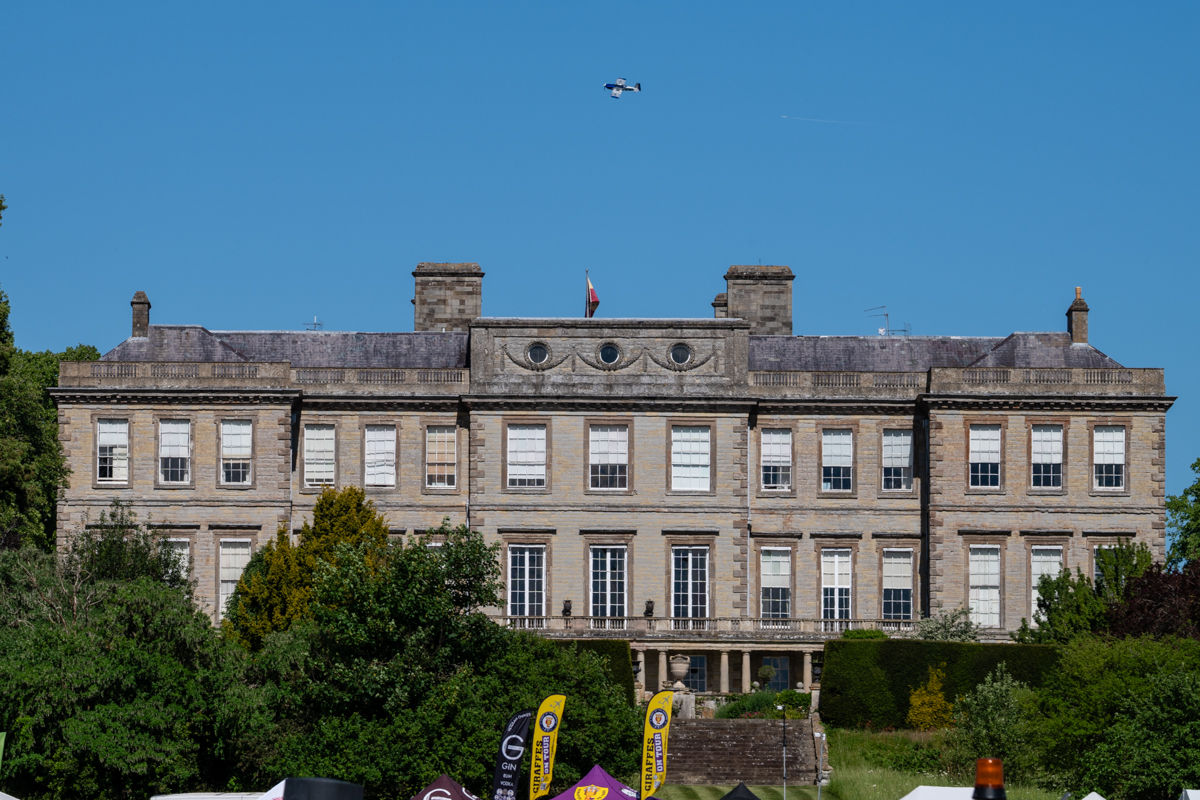 |
| After a 90-minute journey along the M42,
Leo arrived at Ragley Hall in a less-than-enthusiastic mood. The
beautiful estate stretches across hundreds of acres of immaculate
parkland, crowned by the impressive 17th-century mansion that
overlooks the showground. Visitors streamed through the gates
while traders set up their stalls and aircraft dotted the
temporary airfield below. As we passed the funfair and circus
skills area, children were already laughing and playing. Leo,
however, appeared oblivious to it all. Faced with limited phone
signal and nowhere to plug in his devices, he promptly settled
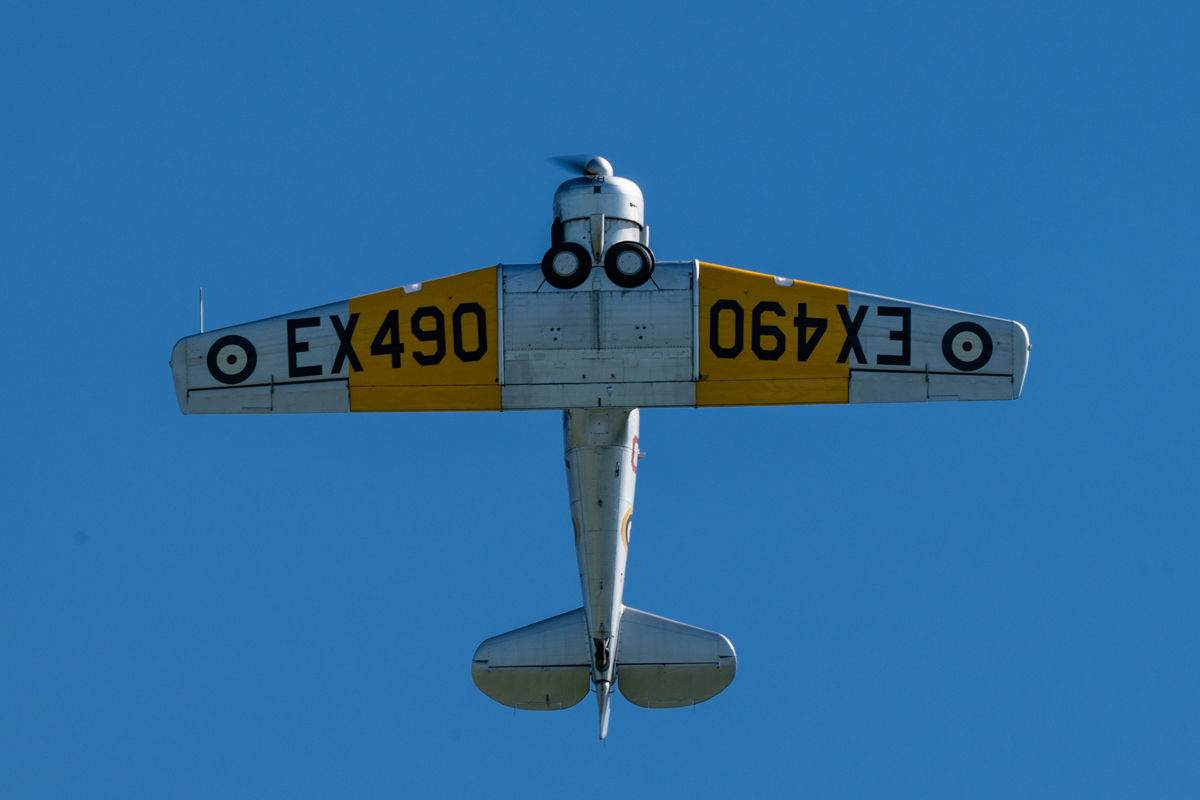
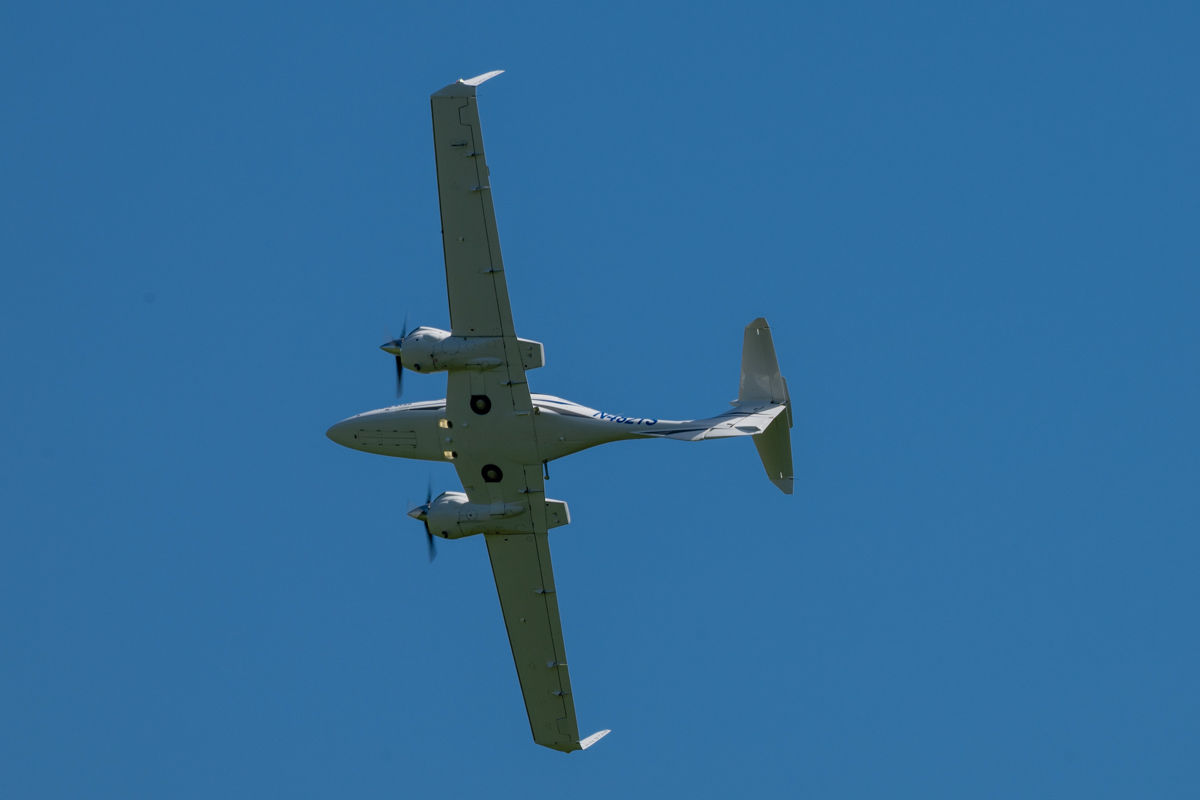
into a camping chair and drifted off to sleep. Lana's first impressions were rather different. She immediately appreciated the beauty of the venue, admiring the hall, the mature trees and the glorious weather. Yet there was also a familiar question lingering in her mind: how had she once again found herself at another airshow despite having only a passing interest in aviation? Fortunately for the time being, she was content to sit back, enjoy the sunshine and take in the surroundings. Meanwhile, the flying display began; We arrived in time to see David Petters display the North American Harvard, followed by a Diamond DA42 flown by Jason Buglass. For enthusiasts, both aircraft offered plenty of interest. The Harvard, of course, remains one of the most iconic training aircraft of the Second World War era and is always a pleasure to watch. However, for Lana, neither display quite delivered the excitement she was hoping for, while Leo remained fast asleep despite the distinctive radial-engine soundtrack of the Harvard. |
 |
 |
|
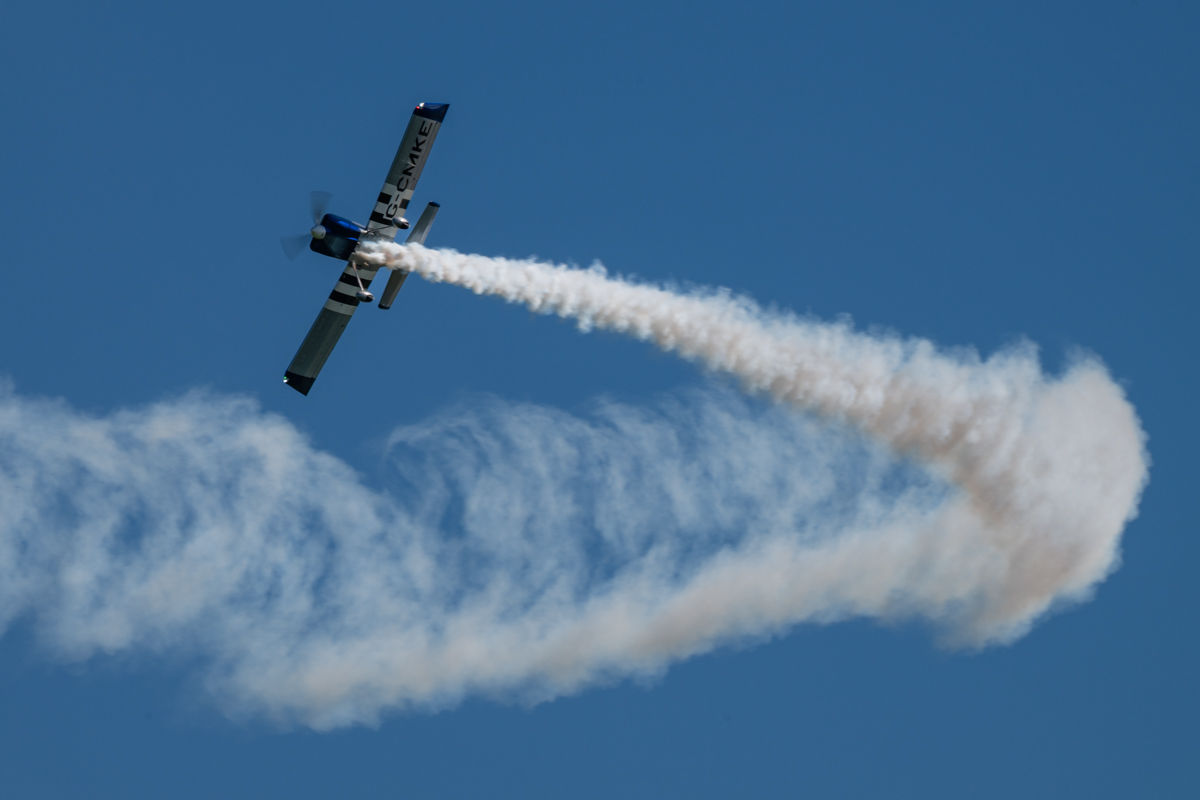
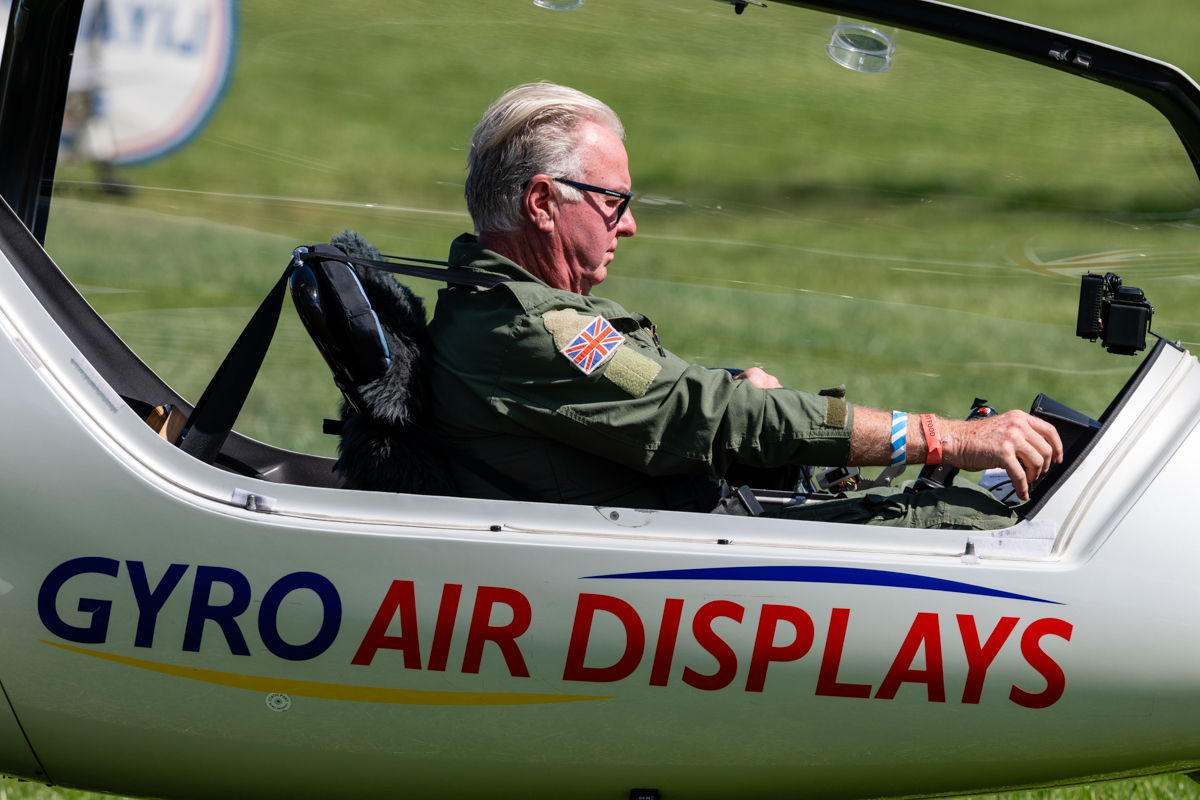
One of the unique aspects of the Midlands Air Festival is the temporary runway positioned directly in front of the crowd line. This allows certain participants to operate from the showground itself, adding an extra dimension to the display programme. The Vans RV-8 was the first aircraft of the day to take advantage of this arrangement. A late addition to the programme, it delivered a lively and capable performance complete with smoke effects. It was followed by Peter Troy-Davies' autogyro display. The unusual aircraft, flown with remarkable precision and agility, proved a real crowd-pleaser. For the first time that afternoon, Lana reached for her phone to record the action. Leo remained asleep. |
 |
 |
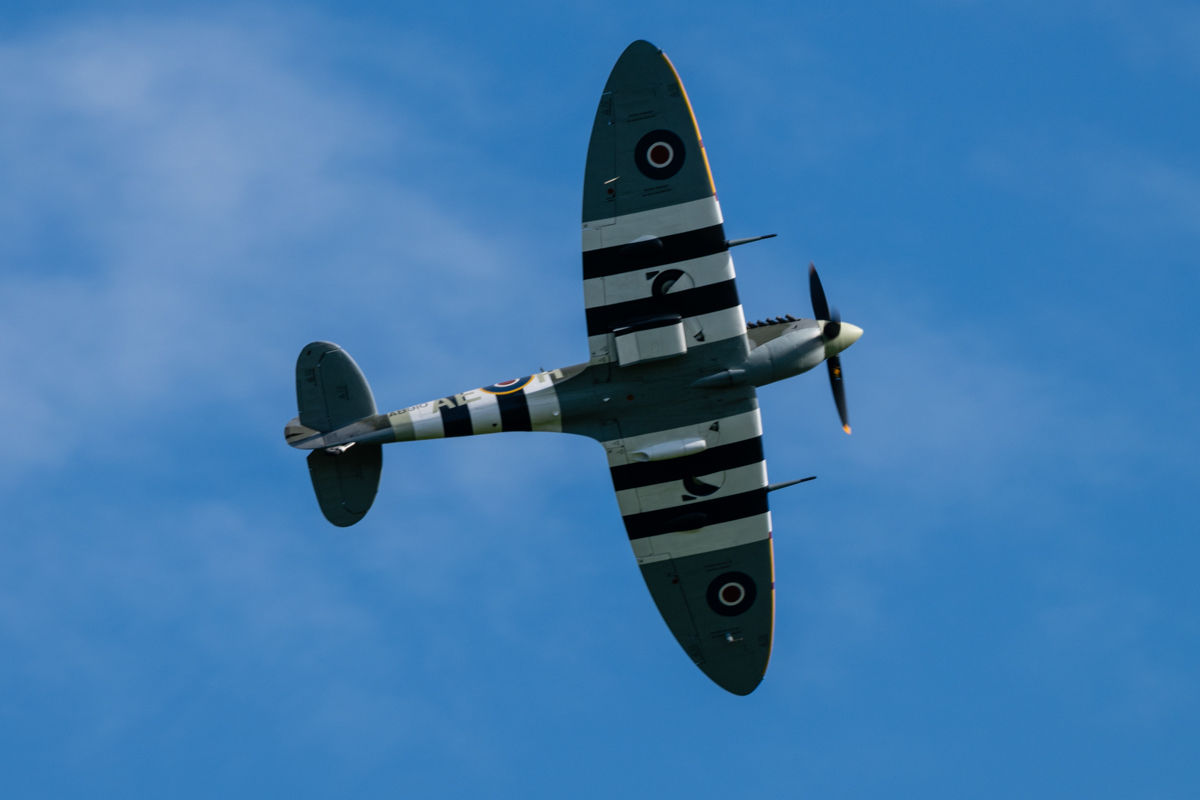
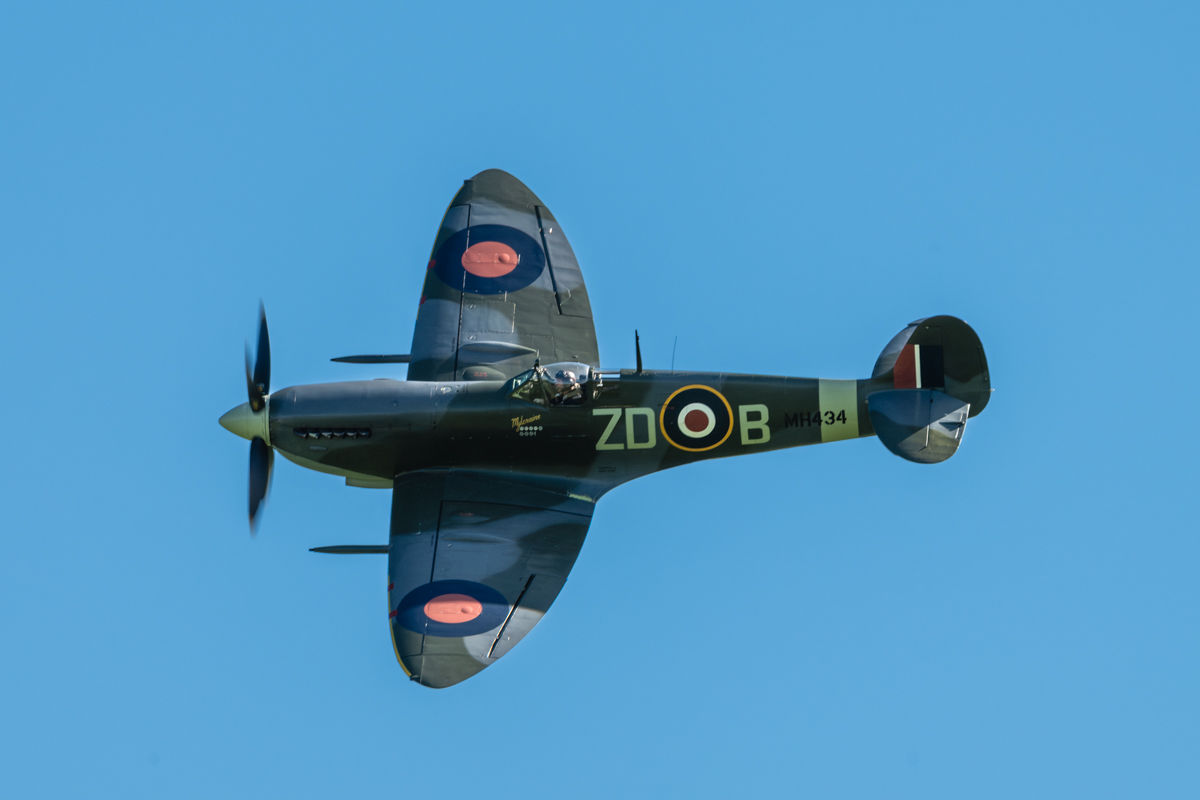
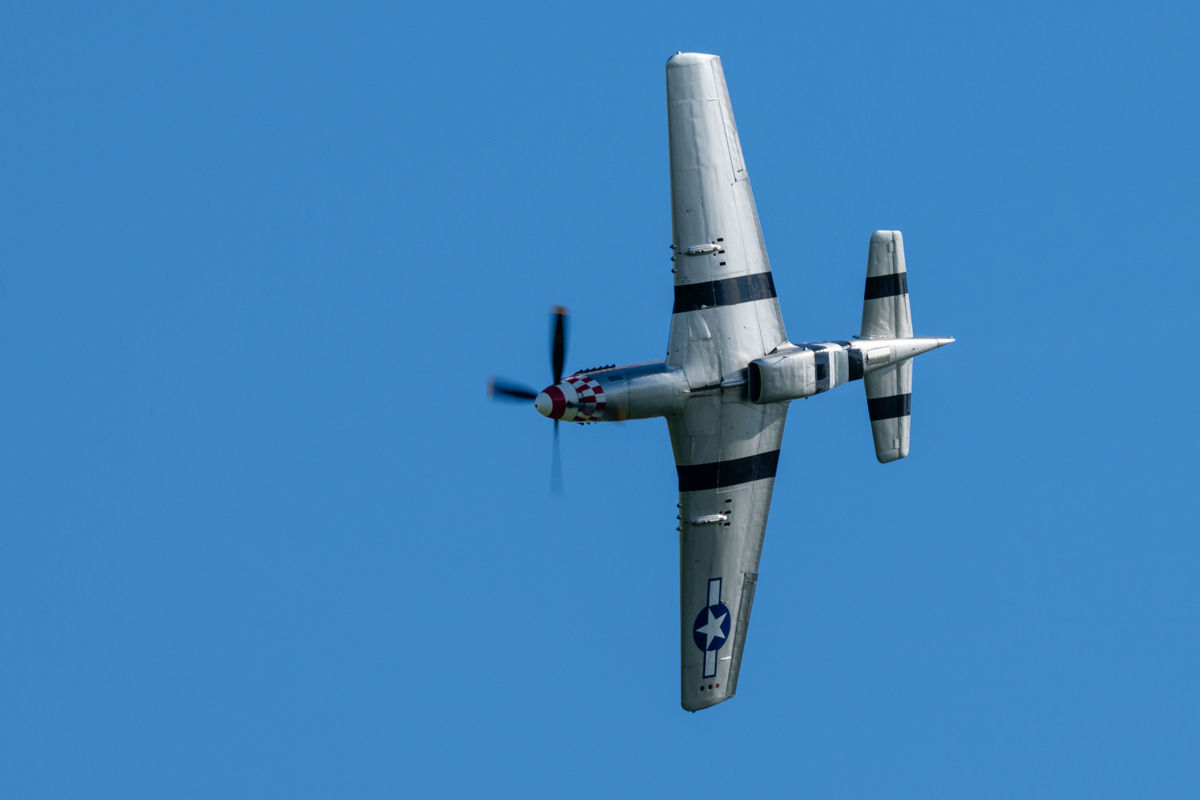
| No British airshow would be complete without a tribute to the aircraft and people of the Second World War, and the Midlands Air Festival certainly delivered. While the larger warbird attractions, including the Catalina and Boeing B-17 Flying Fortress, were reserved for later in the weekend, Friday's programme still featured an impressive collection of historic aircraft. Two Spitfires and a P-51D Mustang took centre stage. For me, few sounds in aviation can match the unmistakable roar of a Rolls-Royce Merlin engine, particularly when it powers Spitfire MH434, arguably the most famous airworthy Spitfire in the world thanks to both its distinguished wartime service and extensive film and television career. |
 |
 |
|
It was, however, the Mustang that finally woke Leo. "What was that?" he asked. When I explained that it was a Second World War fighter aircraft, he simply replied, "Cool." That single word represented progress. Completing the wartime segment was the Battle of Britain Memorial Flight. The display had been advertised as featuring the Dakota, Hurricane and Spitfire, although only the Spitfire appeared on this occasion. With the other delicate 85 year old aircraft confined to their hangar for a little TLC. |
 |
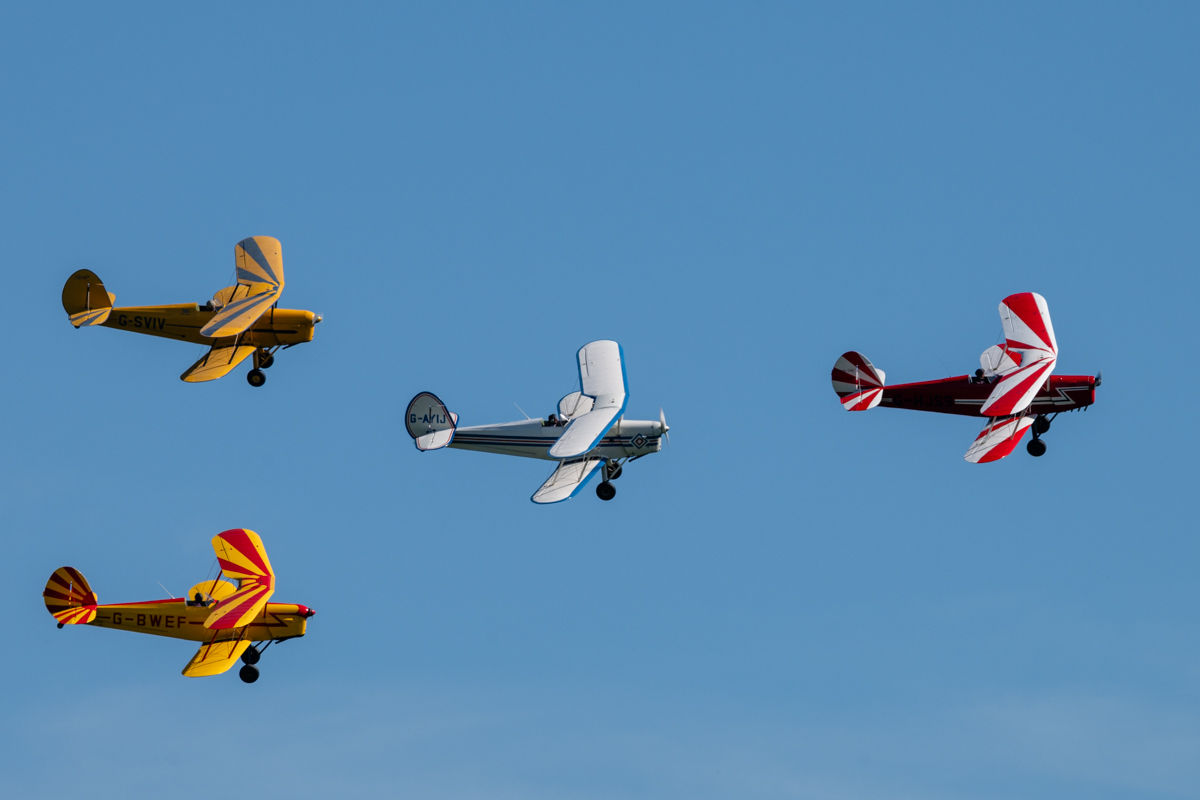
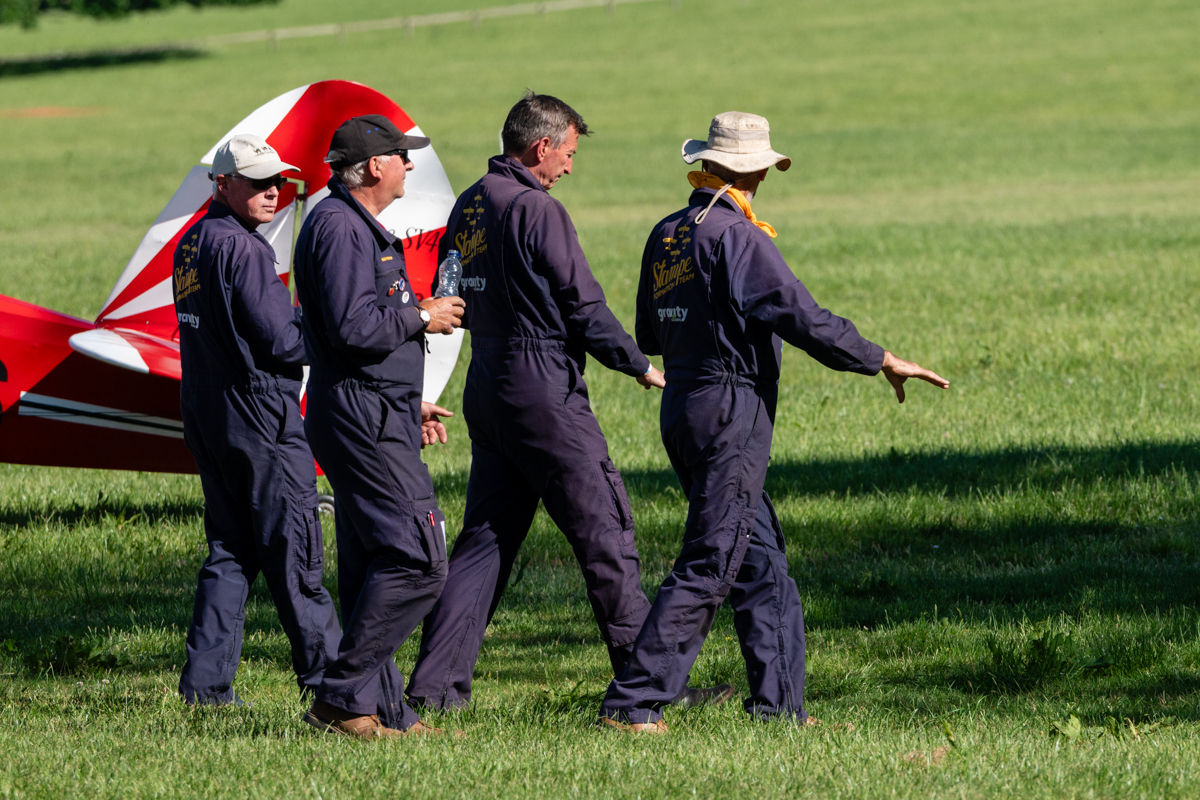
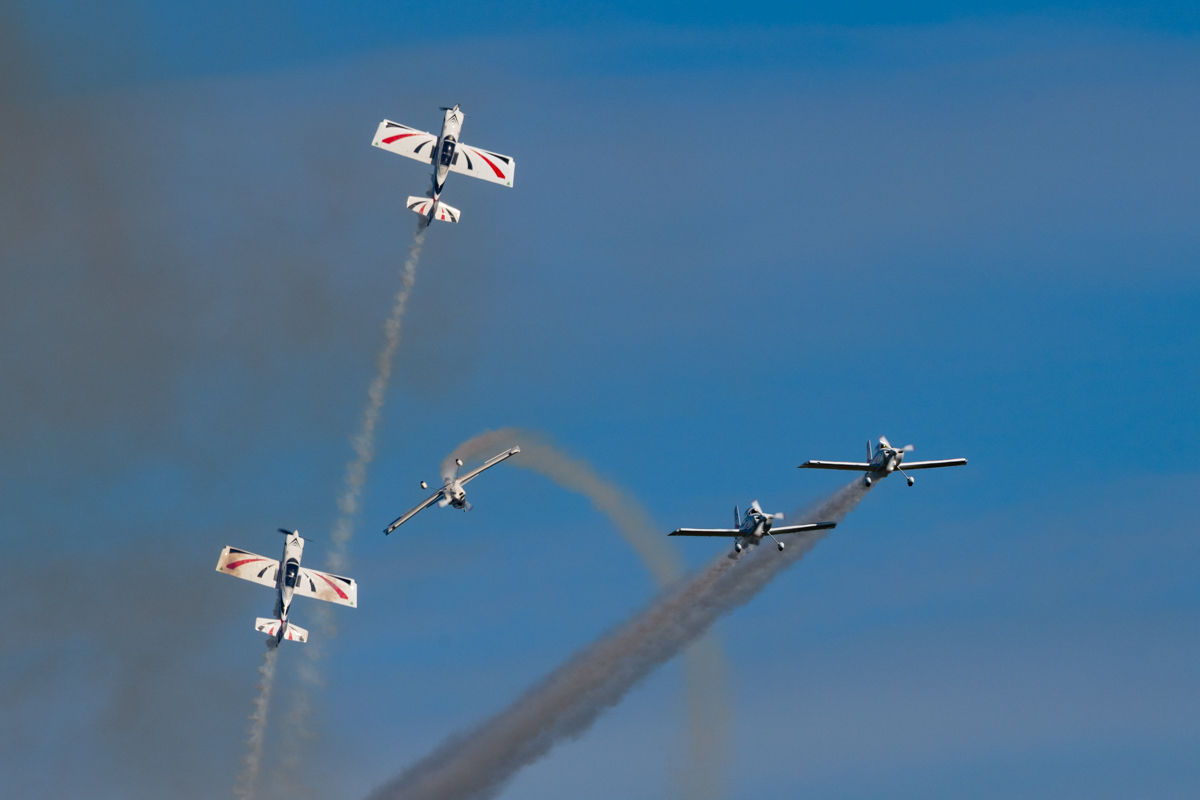
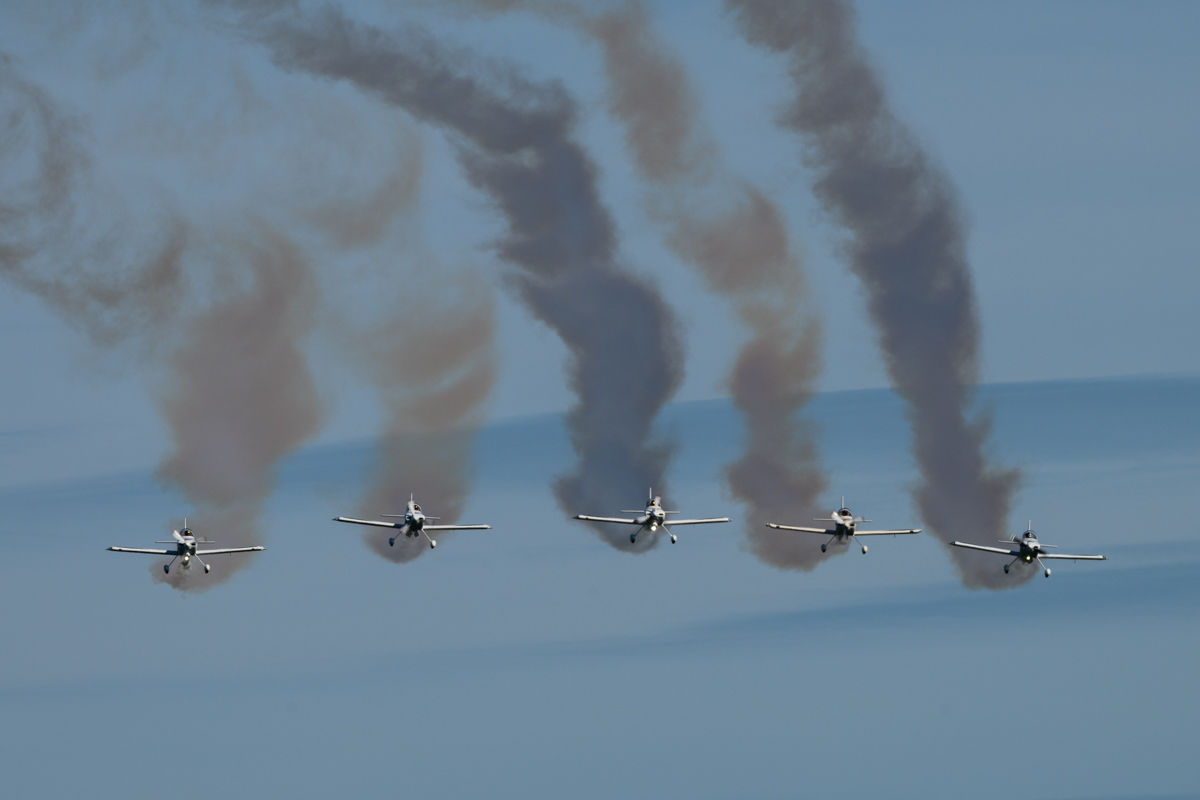
| As the afternoon progressed, the pace of the flying display increased considerably, and with it came displays capable of capturing the attention of both Lana and Leo. In the absence of the Red Arrows on Friday, Team Raven and the Stampe Display Team provided the formation aerobatics. Team Raven, flying their recently repainted aircraft, looked particularly impressive against the clear blue sky. Their crisp formation manoeuvres, combined with smoke effects, drew all three of us to our feet. |
 |
 |
 |
 |
|
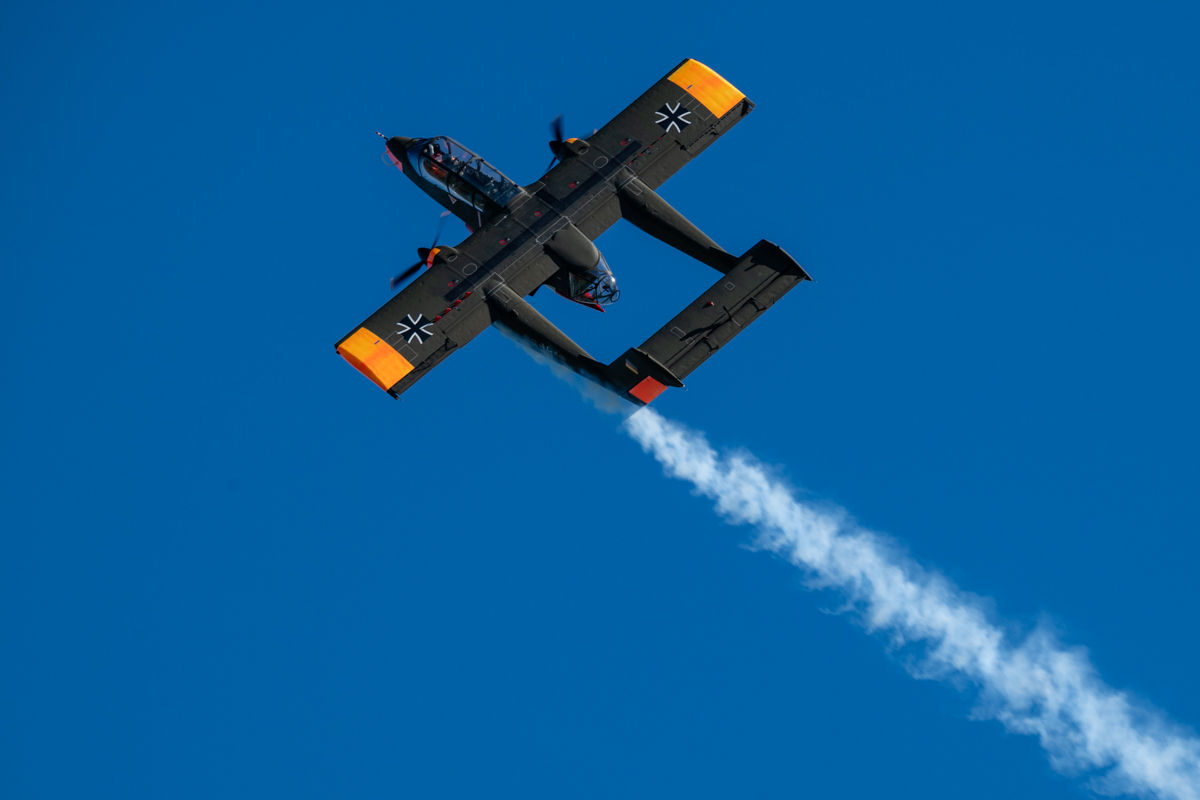
The Vietnam-era OV-10 Bronco also generated considerable interest. Its unusual appearance and distinctive twin-boom design made it stand out from the rest of the display programme and proved popular with both casual visitors and aviation enthusiasts alike. |
 |
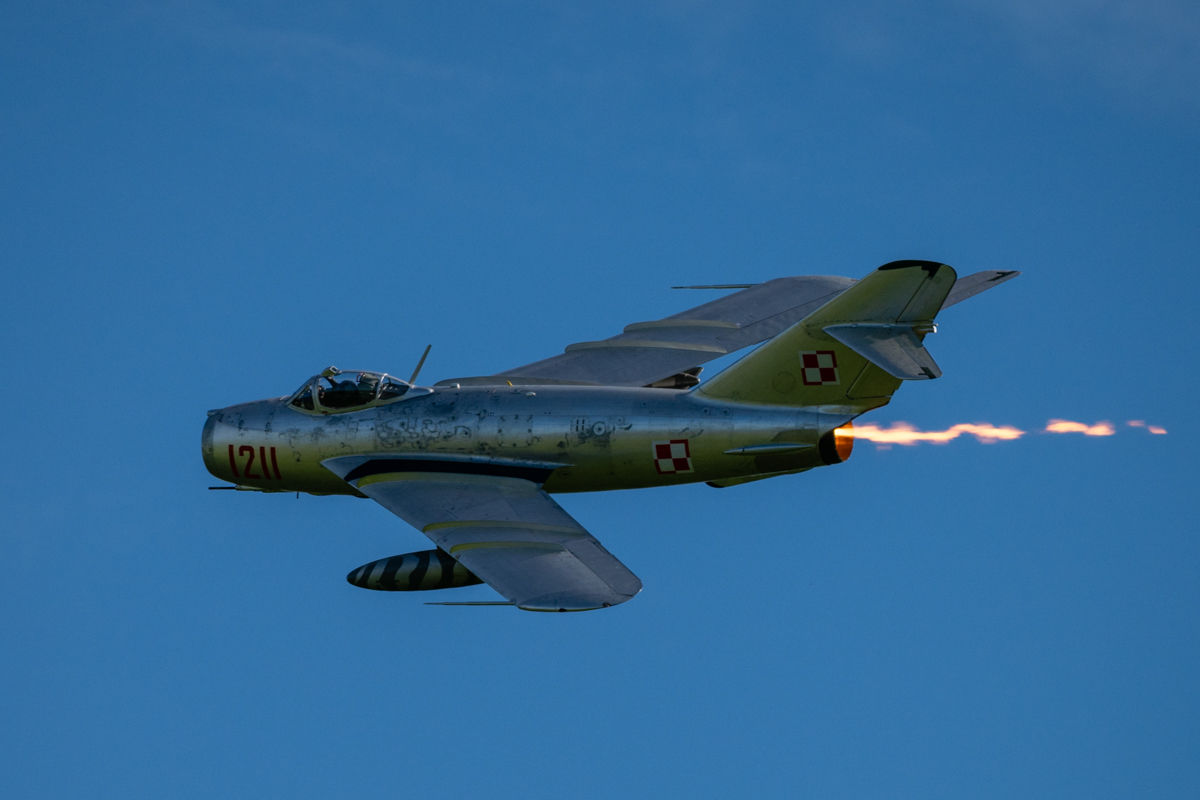
| The highlight of the flying display, however, was undoubtedly the first post-restoration UK display of Fubar Aviation's MiG-17. As the only jet aircraft in the Friday programme, its arrival transformed the atmosphere. The speed, noise and performance provided a dramatic contrast to everything that had preceded it. Casual observers appreciated the spectacle, while enthusiasts understood the significance of seeing such a rare aircraft returned to the display circuit. I certainly wasn't expecting to see the afterburner lighting up on an aircraft of this generation. It was a superb display. |
 |
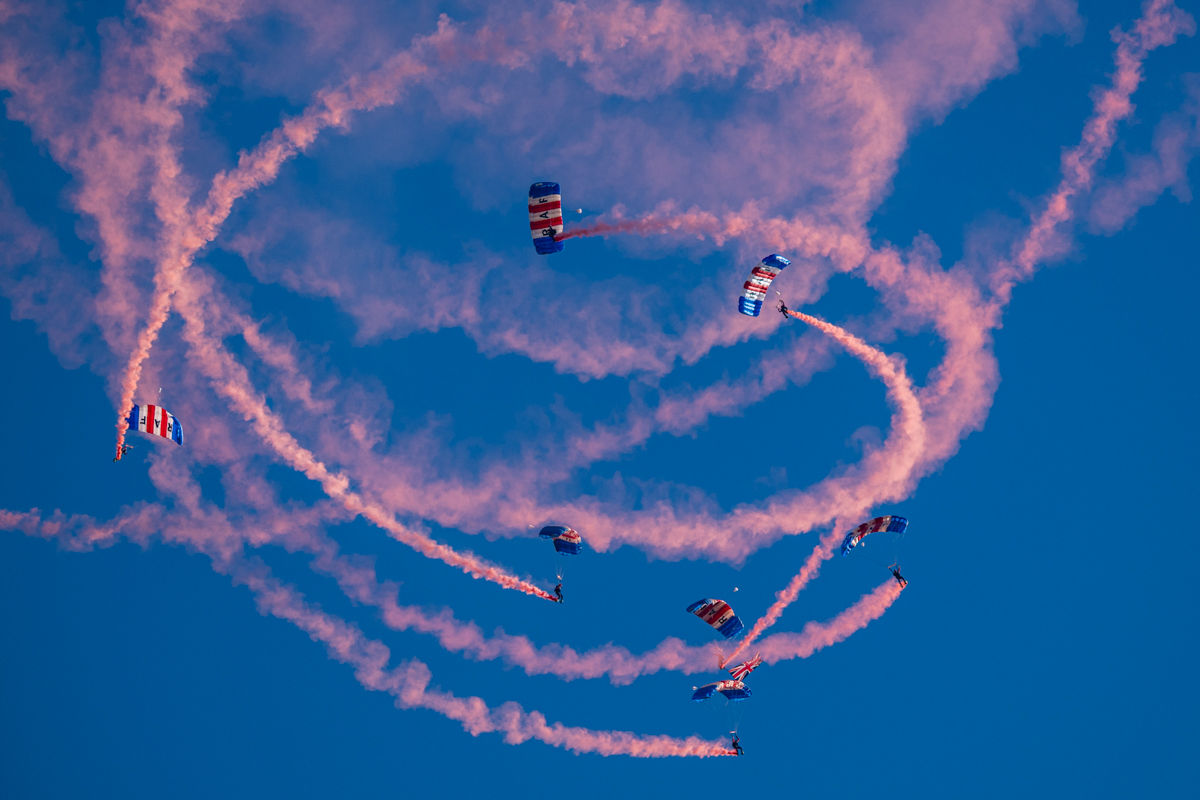
| It was left to the dare devil, crowd pleasing RAF Falcons to close the evenings formal flying display – as ever the precisions formations were spot on as the team of parachutists based at Brize Norton slowly dropped from the sky. |
 |
| Away from the flying programme, the
festival offers an excellent selection of trade stands, family
activities and food vendors. Unsurprisingly, Leo's highlights came
in the form of a pick-and-mix stall and a churros stand. However,
the food offering deserves special mention. As a vegetarian, I
often find options at outdoor events somewhat limited, but the
Midlands Air Festival caters exceptionally well for a wide range
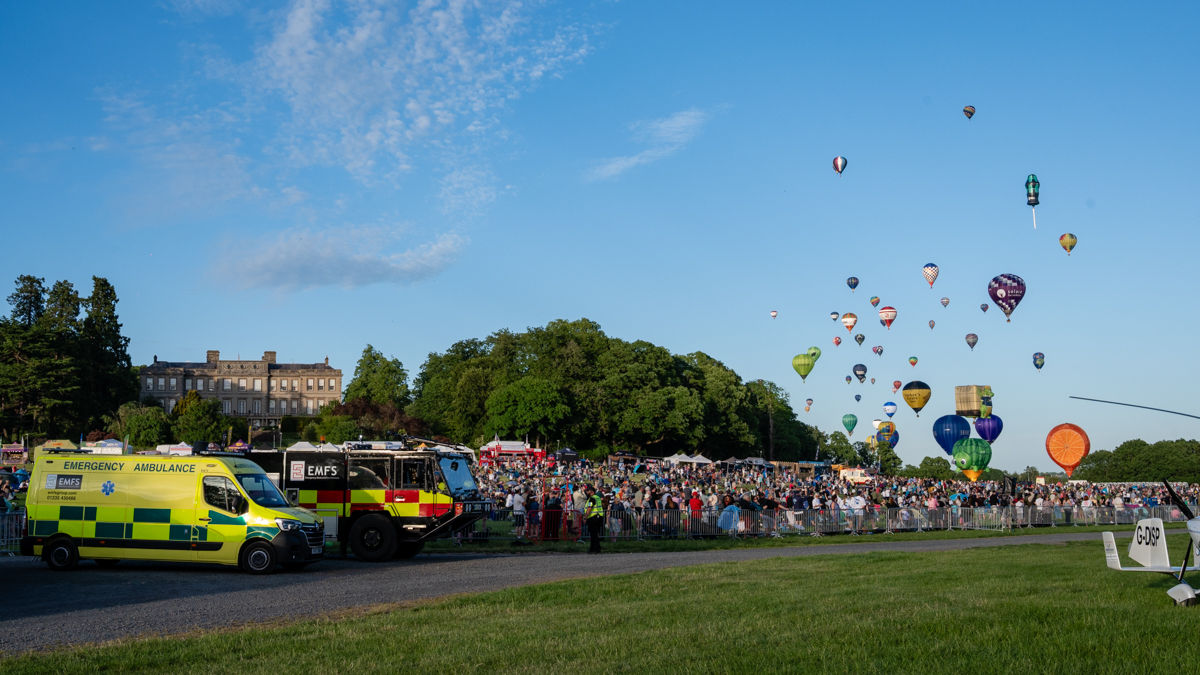
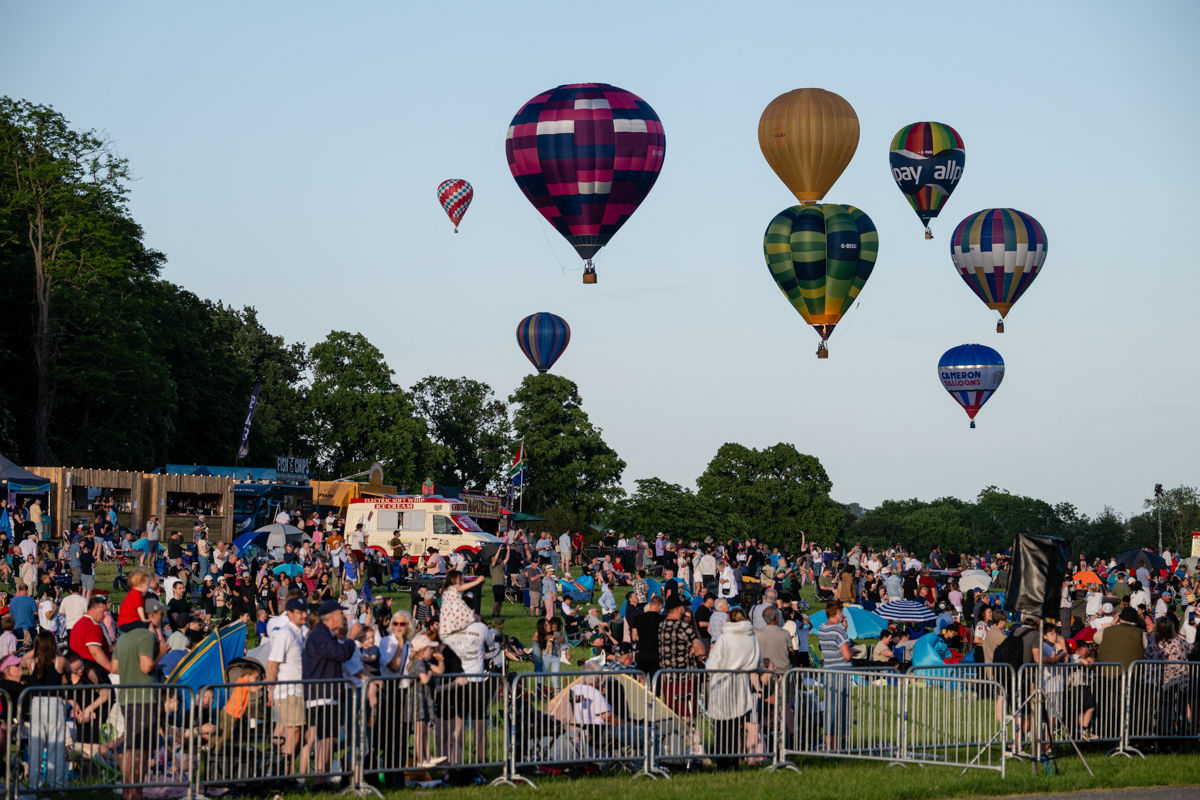
of dietary requirements. As evening approached, anticipation began to build for what is arguably the festival's signature attraction: the mass hot air balloon ascent. This is where the event truly distinguishes itself from any conventional airshow. Ballooning is entirely dependent on favourable weather conditions, and organisers can do little more than hope for calm winds and stable conditions. Fortunately, Friday evening delivered exactly that. Pilots and crews assembled across the launch field, unloading equipment and monitoring the conditions. After one brave pilot conducted the initial test flight, confidence quickly spread throughout the field and balloons began inflating everywhere you looked. Soon, the sky was filled with around a hundred colourful balloons of all shapes and sizes. The wind was stronger than ideal but, crucially, it carried the balloons directly over the crowd. What a sight. |
 |
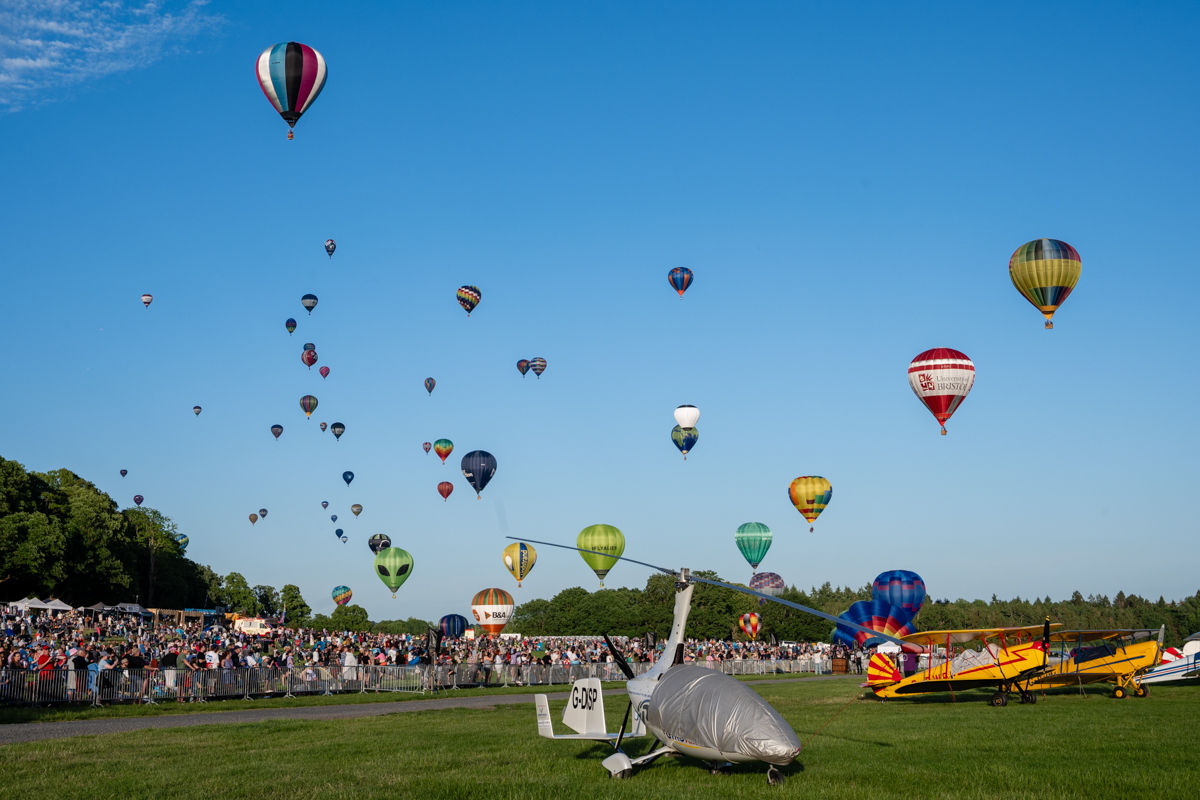 |
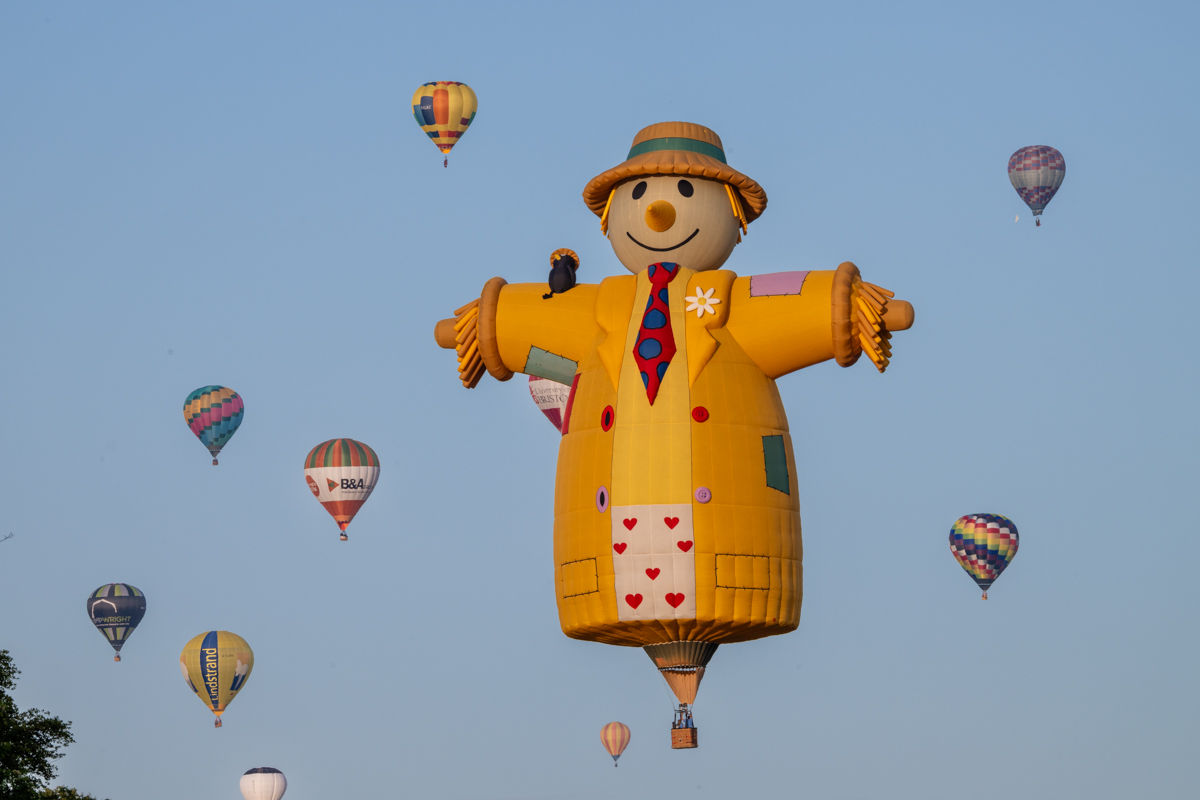
| For the first time all day, both Lana and
Leo were completely captivated. Cameras appeared everywhere as
balloon after balloon drifted overhead. We were treated not only
to traditional balloon designs but also several of the event's
popular special shapes, including a scarecrow, a screwdriver,
dragons and even a giant orange. It was a spectacular conclusion
to our visit. |
 |
| As the final balloons disappeared into
the distance, we began the walk back to the car, discussing the
day's highlights. Despite everything we had seen, we had only
experienced part of what the Midlands Air Festival has to offer.
Still to come that evening was the post-sunset flying display,
followed by the ever-popular Night Glow, where tethered balloons
illuminate the darkness with bursts of flame. The weekend
programme would also feature many additional highlights, including
the Red Arrows, the Westland Whirlwind and Sea King helicopters,
the Grumman Firecat and numerous other attractions. On the way home from the show Leo, Lana and I discussed our personal highlights, we all left the show happy. It takes a lot for a 12 year old to be away from technology for a few hours, but in the end Leo had a fantastic time, really enjoying Team Raven and the MIG17. Lana meanwhile was so excited by the balloon launch - she loved the bright colours and the huge variation of shapes drifting across the sky. And what about me? Well, I always love a Spitfire and today we had two! Amazing. We all hope to return in 2027 and maybe next time we will camp all weekend! The Midlands Air Festival attracts around 10,000 visitors each day, with entertainment running from dawn until well after sunset. To fully experience everything on offer, a full weekend visit is highly recommended. However, even a single day provides an outstanding experience. Whether your interests lie in aviation, photography, hot air balloons, family entertainment or simply enjoying a fantastic day out in beautiful surroundings, the Midlands Air Festival delivers. |
| For details of the 2027 event, visit: www.midlandsairfestival.com |
|
Review by Lee Chapman. |